Alcohol Control States Explained (2026): the 6 Full-Control States
In a control state the government runs part of the alcohol trade, which can rule out a business model before you look at a fee.
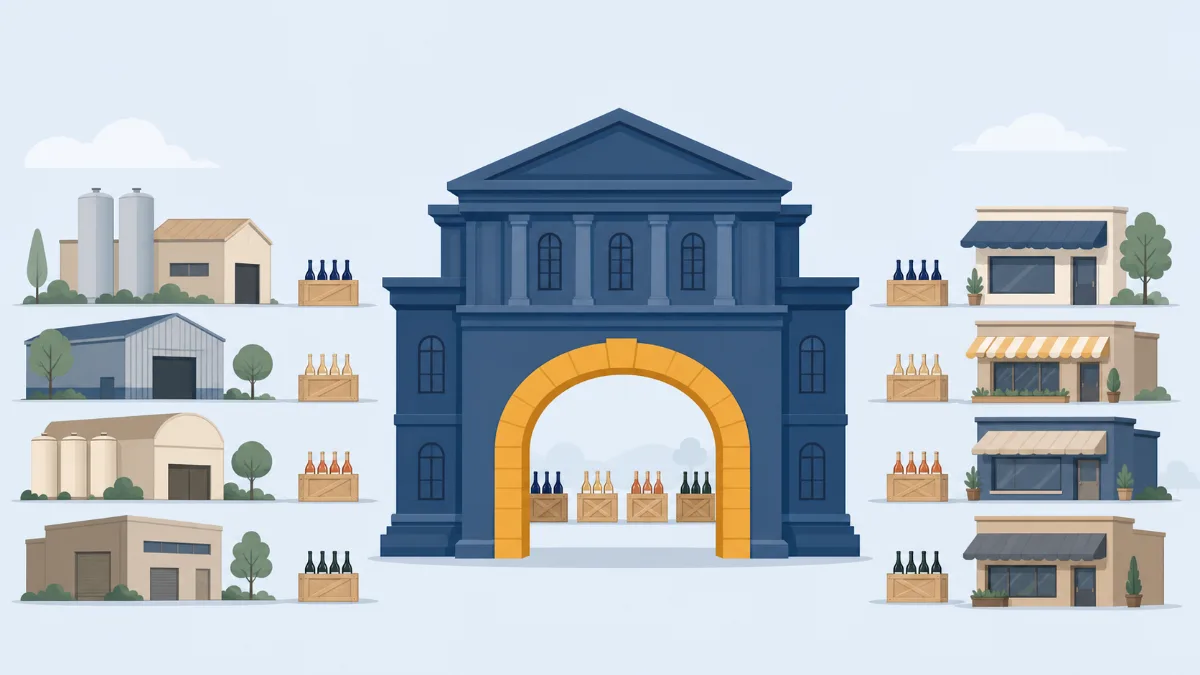
Alongside the quota, the other structural fact that decides what business you can even open is whether your state is a control state. In a control state the government itself runs part of the alcohol trade, most often the wholesale distribution of spirits and, in the strictest states, the retail sale of spirits through state-owned stores. That single fact can rule out a business model before you look at a single fee, so it is worth checking first.
What "control" means for a private applicant
The practical question is whether the state competes with you at the counter. In a full-control state, a private business cannot open a package store that sells distilled spirits, because the state stores are the spirits retailer. You can still get a private license for beer and wine at retail. A bar or restaurant can still get an on-premise license to pour spirits by the drink. In a partial-control state, the state usually controls the wholesale tier or runs some stores while leaving retail licenses to private operators. The license you can apply for, in other words, is shaped by the control model before the quota or the fee ever enters the picture.
The two tiers of control
Full-control states (6)
The state sells spirits at retail, so a private full-spirits package store does not exist and spirits move through state stores: Alabama, Idaho, North Carolina, Pennsylvania, Utah, Virginia. In two of these, Pennsylvania and Utah, control stacks on top of a quota and extra operating rules, which makes them the tightest states in the country for a first-time full-spirits retailer.
Partial-control states (13)
The state controls the wholesale spirits tier, or runs some state stores, while private retailers hold the on-premise and off-premise licenses: Iowa, Maryland, Maine, Michigan, Mississippi, Montana, New Hampshire, Ohio, Oregon, South Dakota, Vermont, West Virginia, Wyoming. Combined with the six full-control states, nineteen jurisdictions carry a control element, which matches the roughly seventeen traditional control states counted nationally.
Check your state's structure first
From the team behind this library
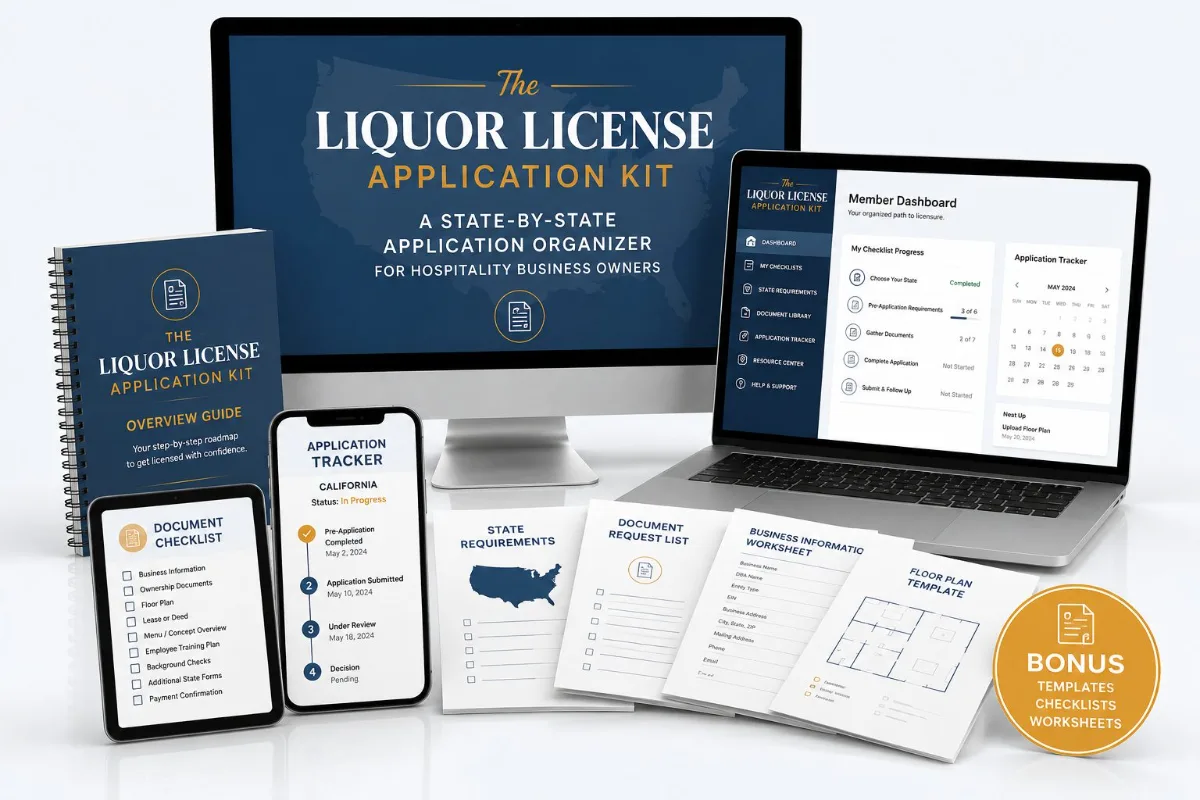
The Liquor License Application Kit
Want the whole path in one place? The Liquor License Application Kit hands you the done pieces for your state: the 51-jurisdiction directory and state selector, the license-class decoder, the dependency-ordered filing checklist, the document-gathering organizer, the deadline and public-notice tracker and an honest do-you-need-a-lawyer decision guide.
Where control and quota overlap
Pennsylvania and Utah are the states where the structural gates pile up: each is both a control state and a quota state, each layering its own operating rules on top. A first-time full-spirits retailer in either faces the longest path in the country. On the other end, a control element does not automatically mean an expensive or slow process for a beer-and-wine venue; it simply changes which door you walk through. Your state page names the private classes that exist and the authority that issues them.
This guide is educational information, not legal advice. Control-state rules change and vary by class; confirm the current structure with your state before you commit to a business model. Open your state page for the private license classes available where you are.
Control states FAQ
What is a control state?
A control state is one where the government itself runs some or all of the alcohol trade, usually the wholesale distribution of spirits and, in the strictest states, the retail sale of spirits through state-run stores. In those states a private business cannot open a full-spirits package store, because the state is the retailer. Private licenses still exist for beer, wine and on-premise service.
Which states are control states?
Six states run full control, where the state sells spirits at retail and a private full-spirits package store does not exist: Alabama, Idaho, North Carolina, Pennsylvania, Utah and Virginia. Thirteen more run partial control, where the state handles wholesale spirits distribution or runs some stores while private retailers hold the on-premise and off-premise licenses. That is roughly seventeen control states in the traditional sense.
Can you open a liquor store in a control state?
You can open a store that sells beer and wine under a private license in every control state. What you cannot do in a full-control state is open a private package store that sells distilled spirits, because the state sells spirits itself. A restaurant or bar can still get a private on-premise license to serve spirits by the drink. Your state page states exactly which private classes exist.